There are moments in history when people begin to question what value really means.
Not in theory, but in practice.
Wars, inflation, political instability, currency fluctuations, unfortunately nowadays these are not abstract concepts. They affect how people store wealth, how they protect it, and ultimately how they think about the future. In times like these, confidence in traditional systems begins to shift. And when that happens, tangible assets tend to take center stage.
 Among them, luxury watches have quietly become one of the most interesting places to preserve value.
Beyond currency
Cash has always been the simplest form of value, but also the most vulnerable.
Inflation erodes purchasing power, currencies fluctuate, and geopolitical tensions can quickly reshape entire financial systems.
 In uncertain environments, the question becomes: what actually holds value over time?
Historically, the answer has often been the same: tangible, finite objects. Gold, art, real estate, and increasingly, collectible watches. Not because they are immune to market cycles, but because they exist outside of purely financial systems.
 A vintage Rolex doesn’t depend on interest rates.
A rare dial doesn’t react to central bank policy.
Its value is rooted in something more stable: rarity, demand, and cultural relevance.
Why watches?
Luxury watches occupy a unique position among collectible assets.
 They are portable, durable, and globally recognised. A watch can cross borders on your wrist without declaration. It doesn’t require storage facilities, insurance structures, or complex legal frameworks. And perhaps most importantly, it carries value that is immediately understood anywhere in the world.
But beyond practicality, there is something deeper at play.
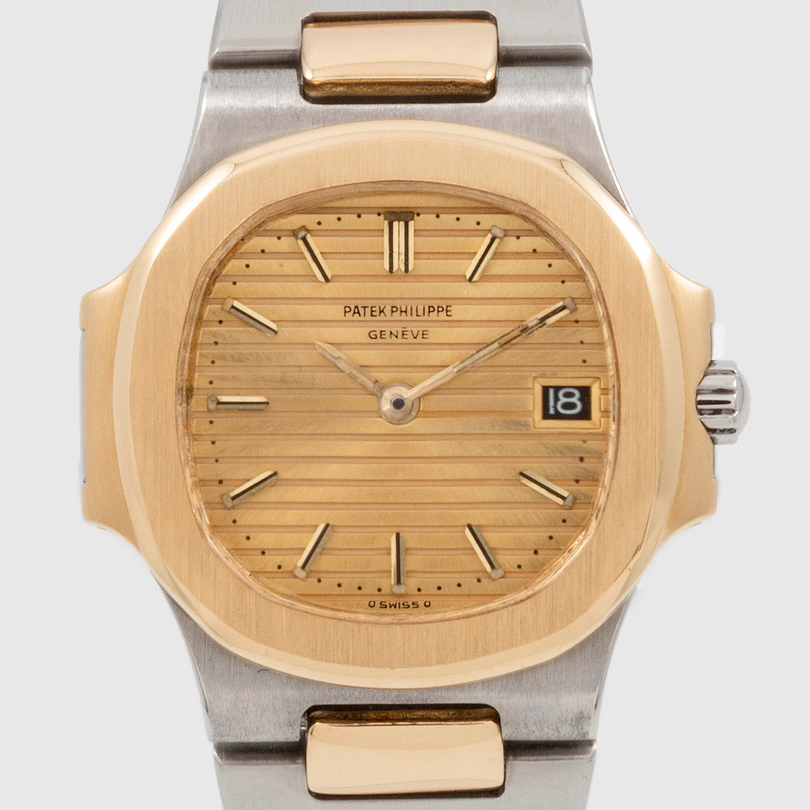
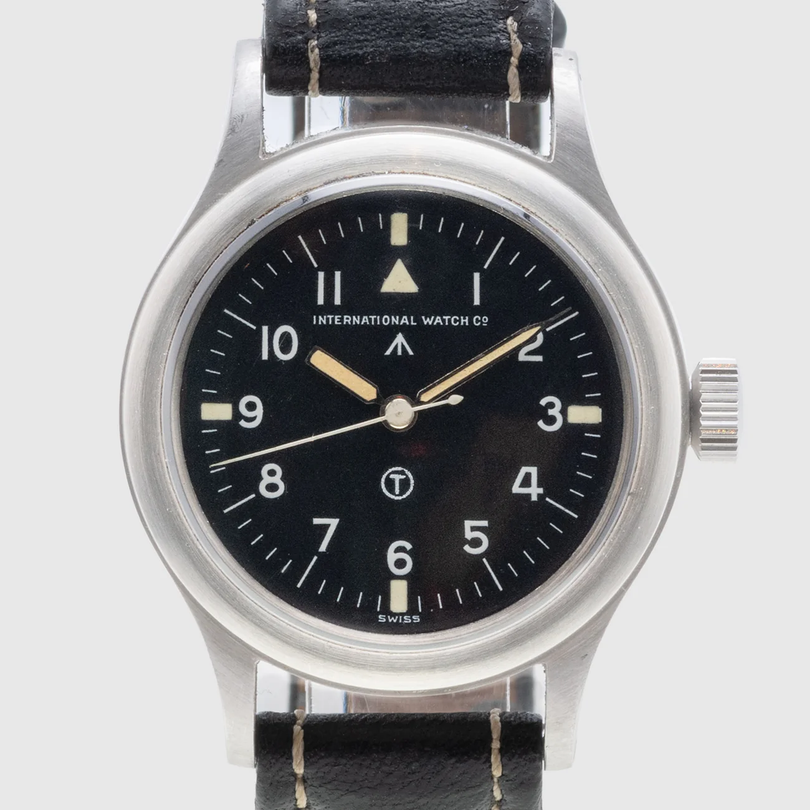
 Watches combine function, craftsmanship, and scarcity in a way few objects do. A rare dial, a specific configuration, or an untouched case condition, these are details that cannot be replicated. Once they’re gone, they’re gone.
This finite nature creates a natural floor for value. Over time, as surviving examples decrease and awareness grows, demand tends to concentrate around the best pieces.
The collector’s logic
Collectors don’t think in the same way as traditional investors.
They don’t chase yield, they chase quality, rarity, and originality.
 And interestingly, this mindset often aligns perfectly with long-term value preservation.
Take vintage Rolex as an example. For decades, the brand produced countless variations: different dials, materials, special orders, regional configurations. At the time, many of these details were overlooked. Today, they define the market.
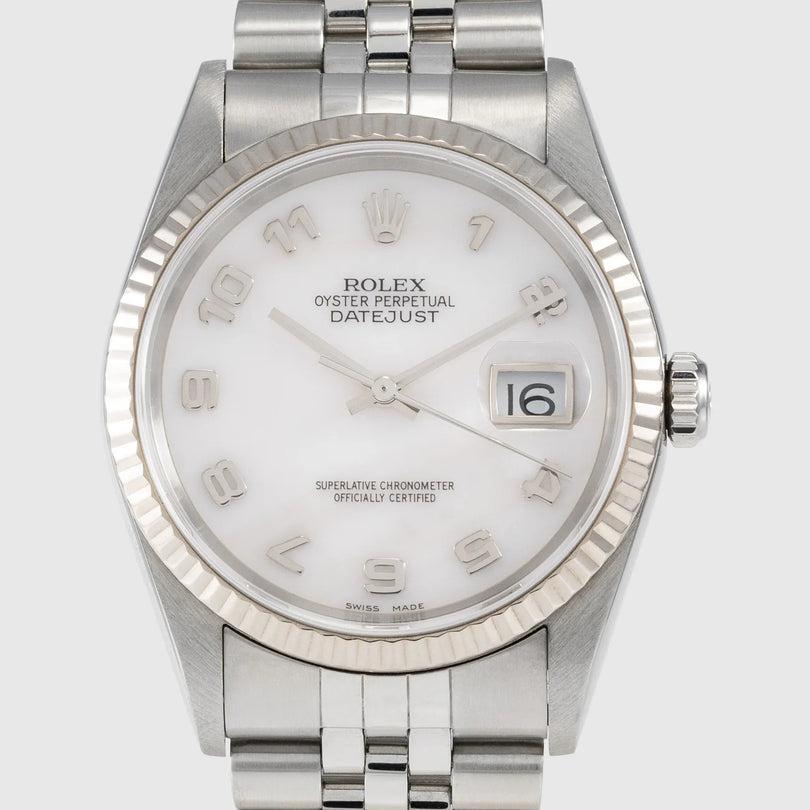
 A stone dial without diamonds.
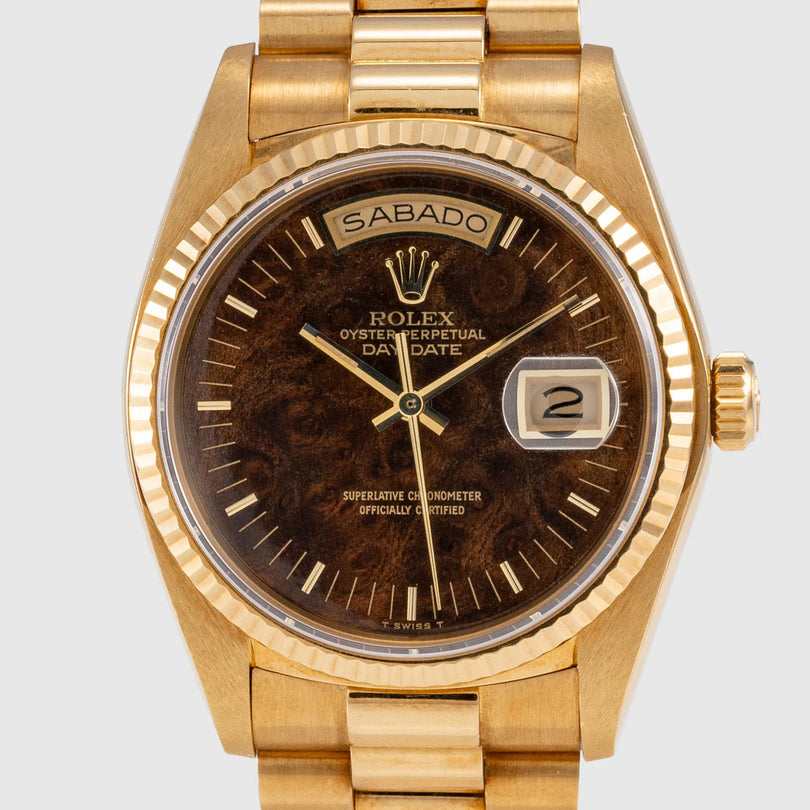
An Eastern Arabic Day-Date.
A Stella dial in one of the most sought-after colors, like Lilac or Yellow.
These are not just watches, they are micro-histories, each representing a specific moment in production, design, and cultural context.
 The more niche the detail, the stronger the collector interest tends to be. And in uncertain times, this kind of focused demand becomes even more relevant.
Because while markets move, true rarity doesn’t change.
Independence from volatility
Financial markets react quickly - sometimes irrationally - to global events.
Stocks, currencies, and even commodities can shift dramatically within days.
Collectible watches move differently.
 They are not immune to cycles, but they operate on a slower, more considered timeline. Values are shaped by long-term collector behavior, not short-term sentiment.
This creates a form of insulation.
 During periods of uncertainty, when traditional markets feel unstable, collectors often redirect capital into assets they understand and trust. Watches benefit from this shift, not because they are speculative, but because they are tangible and finite.
It’s not about chasing returns.
It’s about preserving value in a form that feels real.
Wearable assets
One of the most compelling aspects of watches is simple:
you can use them.
 Unlike many investments, a watch is not locked away. It can be worn, experienced, and enjoyed daily. It becomes part of your life while still holding its value.
This dual nature, object and asset, is what sets watches apart.
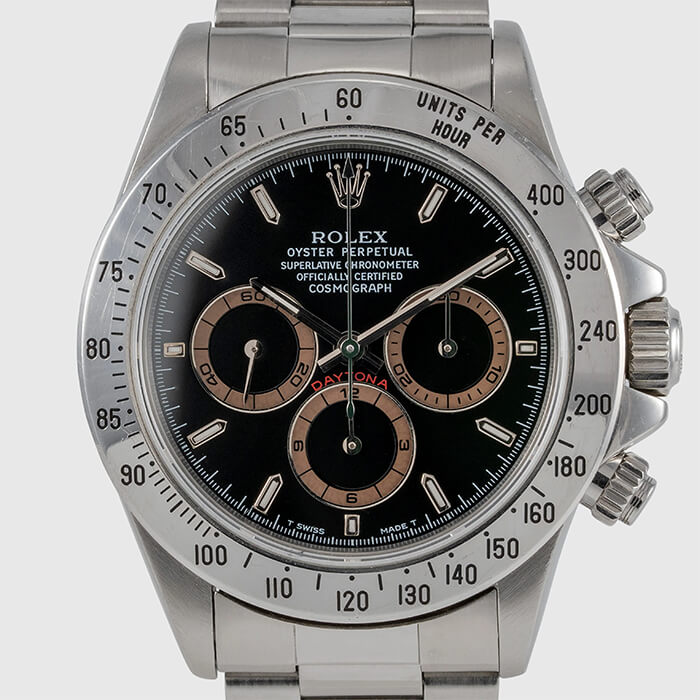
 A rare Day-Date or a vintage sports Rolex doesn’t just sit in a vault. It travels with you. It develops a personal story. And at the same time, it remains a store of value that can be realised at any moment.
Few assets offer that combination of emotional and financial utility.
The role of trust
In uncertain times, trust becomes the most valuable currency.
Not just trust in markets, but trust in what you own.
 Collectible watches offer a form of direct ownership. There is no intermediary, no digital abstraction. You can hold the object, inspect it, understand it.
Of course, this requires knowledge. Condition, originality, provenance: these factors matter. The difference between a good watch and a great one can be subtle, but it defines long-term value.
 This is where the principle remains unchanged:
buy the best example you can find, from someone you trust.
Because in the world of collectibles, quality is what endures.
A shift in perception
Over the last decade, watches have transitioned from being seen purely as luxury items to being recognised as serious collectible assets.
 This shift hasn’t been driven by speculation alone, but by a deeper understanding of what makes certain watches important:
● limited production
● unique configurations
● historical relevance
● condition and originality
As more collectors enter the space, the focus narrows. The best examples become harder to find, and their value becomes more resilient.
 In times of uncertainty, this dynamic strengthens.
People don’t necessarily want more, they want better.
Why now
The current global landscape has brought back a mindset that many had forgotten: the need to protect value, not just grow it.
In such moments, assets that combine tangibility, rarity, and global recognition become increasingly attractive. Watches sit perfectly at that intersection.
 They are discreet yet valuable.
Liquid yet personal.
Historical yet relevant.
And perhaps most importantly, they don’t rely on confidence in a system — they rely on confidence in the object itself.
Why it matters
Luxury watches are not a replacement for traditional investments, nor are they a guaranteed hedge against uncertainty. But they offer something that many financial assets cannot: a sense of control.
 You own them directly.
You understand what makes them valuable.
And you can carry that value with you, anywhere in the world.
In uncertain times, that clarity matters.
 Because beyond markets and currencies, true value often lies in objects that have passed the test of time, objects that combine craftsmanship, history, and scarcity into something tangible.
A great watch does exactly that.