Gold has always been a symbol of lasting value. But over the past few years, it has entered a new phase altogether, climbing to levels few would have imagined just a decade ago. Investors have turned to it as a safe haven, central banks have increased reserves, and uncertainty across global markets has pushed bullion steadily higher.

For collectors, this naturally raises an interesting question.
If gold is now worth so much more than before, why do certain vintage gold watches still feel surprisingly accessible?
The answer lies in the way collector markets move compared to commodities. Gold reacts quickly, sometimes dramatically, to economic forces. Vintage watches move more slowly. Tastes evolve, demand shifts, and certain designs fall in and out of focus over time. When gold rises sharply in a short period, it can outpace the collectible premium of some watches, particularly classic gold models that were produced in larger numbers or are currently less fashionable.

In these moments, something unusual happens: metal value increases faster than market pricing. Not because the watches lack quality or craftsmanship, but because the vintage market simply hasn’t fully caught up yet.
And that is where opportunity appears.
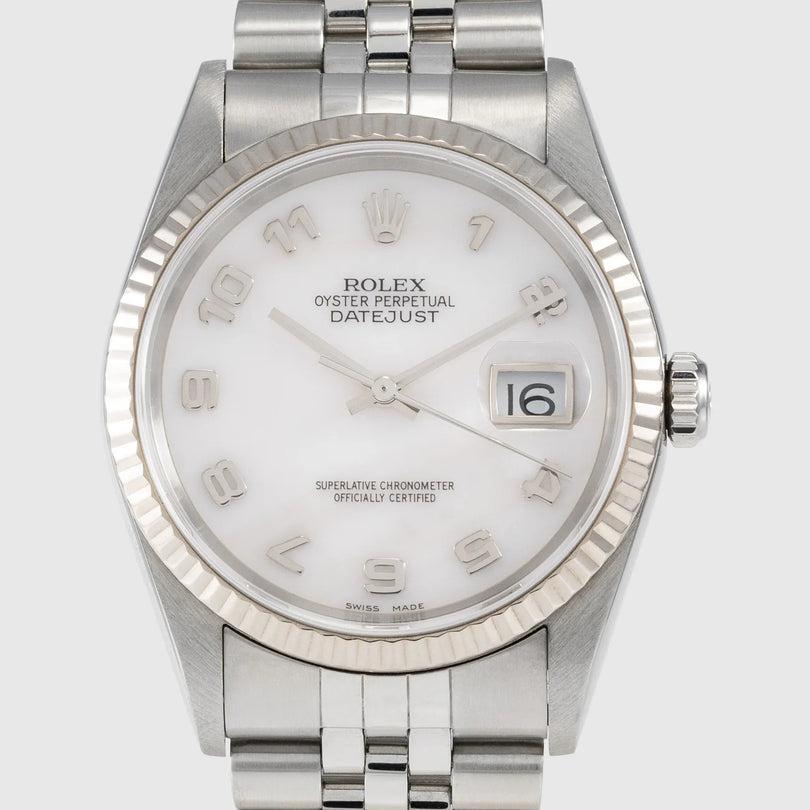
 Vintage watches are ultimately priced by demand. Collectors pay for design, rarity, condition, and cultural relevance far more than for materials alone. This is why stainless steel sports watches can sometimes be worth many times more than solid gold dress watches. But when interest in a particular gold reference softens while bullion climbs rapidly, prices can compress toward metal value, creating a temporary disconnect between what the watch contains and what the market is asking.
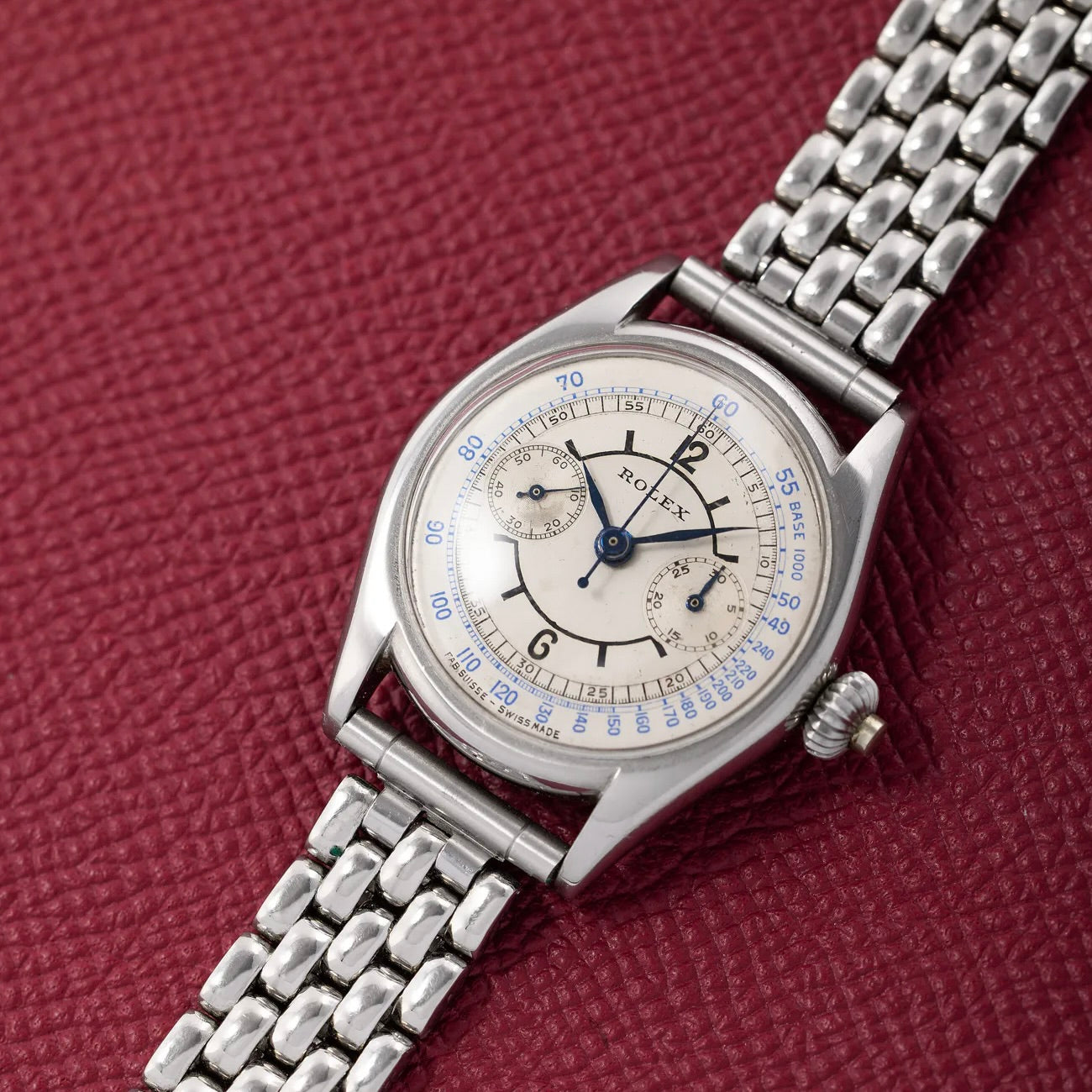
 To make this more concrete, imagine a classic vintage gold dress watch from the 1960s carrying around 25 grams of gold in its case. With today’s elevated bullion prices, that metal alone might already be worth close to two thousand dollars. Yet if the reference is common and collector interest is modest, the watch itself may trade for little more than that, sometimes even less.

Move up to a larger vintage gold case or chronograph holding closer to 40 grams of gold, and you may find watches offered around three to four thousand dollars, hovering almost directly on their intrinsic metal value. There is craftsmanship, history and design there, but little collectible premium attached in the current market.
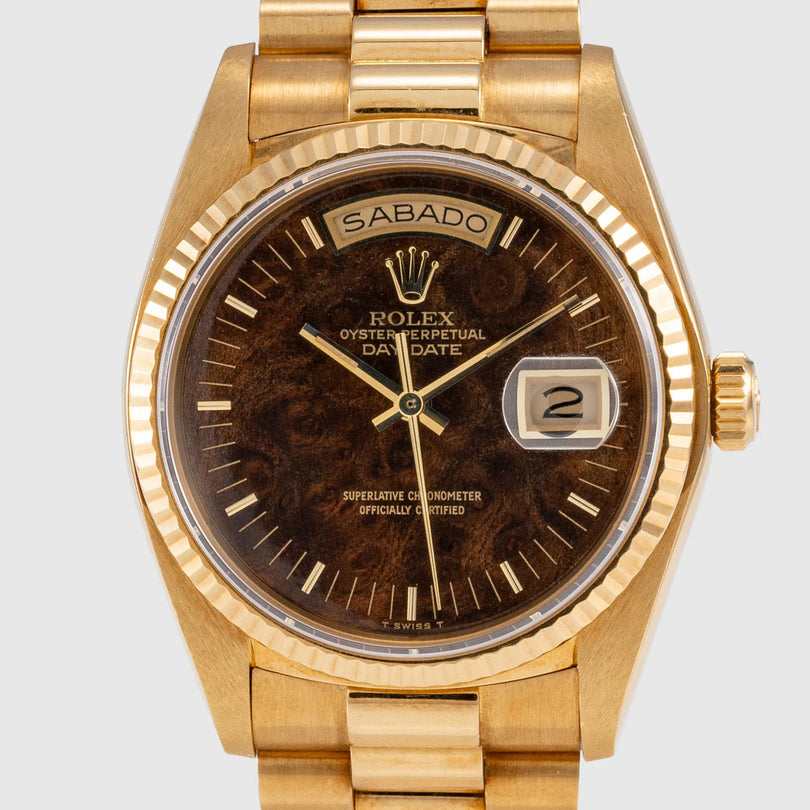
 Then, of course, there are the exceptions. Highly desirable vintage gold references, those with strong narratives, iconic designs or serious collector demand, can command many multiples above their gold content. The material may be similar, but demand changes everything.
 What makes today particularly interesting is that gold has already moved significantly upward, while many vintage watch prices have not yet fully followed.
In simple terms, bullion has raced ahead. The vintage market is still catching up.
This creates moments where certain gold watches represent exceptional value from both a collecting and financial perspective.
A perfect example can be found in vintage integrated-bracelet gold watches, especially from houses known for design elegance rather than hype.
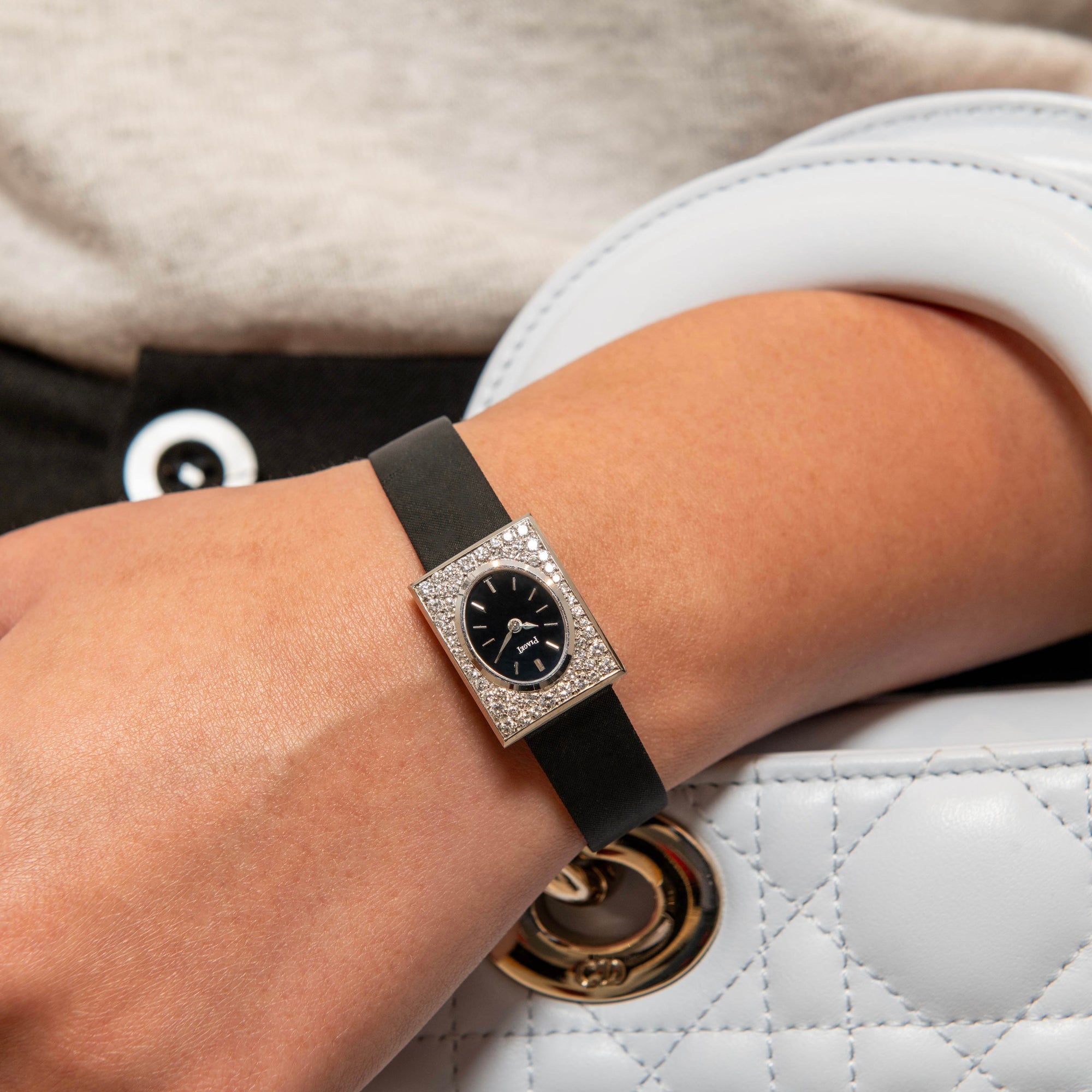
A perfect example: vintage Piaget with integrated gold bracelet

Take a vintage Piaget with integrated gold bracelet, for instance.
These pieces often carry substantial gold weight across both the case and integrated bracelet. It is not uncommon for the intrinsic metal value alone to approach $7,000 to $9,000 at current gold prices.
Yet many of these watches still trade around $11,000 to $13,000.
From a purely financial standpoint, that gap is fascinating.
You are effectively buying a beautifully designed, historically important Swiss watch for only a modest premium over its raw gold content. If gold continues its long-term upward trajectory, that intrinsic value may eventually approach or even meet the watch’s market price, while in the meantime you are wearing and enjoying a refined vintage timepiece.
 It becomes, quite literally, a double win: precious metal exposure combined with collectible design.
This same logic applies across many areas of the vintage gold watch world today. Certain prices simply have not fully adjusted yet to the new reality of gold.
 Part of this is also due to inventory dynamics. Many watches circulating on the market today were acquired years ago, when bullion was far cheaper. If interest in a specific model has softened, sellers are often happy to move pieces based on collector demand rather than waiting indefinitely for premiums to return. Liquidity becomes more important than metal speculation.
The result is a market where gold is telling one story, and vintage pricing is telling another.
For collectors paying attention, this disconnect offers rare value.
 Of course, not every gold watch falls into this category. Truly rare and highly sought-after references continue to trade well above metal value, and likely always will. But for classic, elegant vintage gold watches, especially those with strong design but quieter hype, today’s market represents a moment of remarkable opportunity.
Gold has already made its move.
Many vintage watches have not yet made theirs.
And history suggests that, over time, tangible assets with intrinsic value and cultural relevance tend to realign.