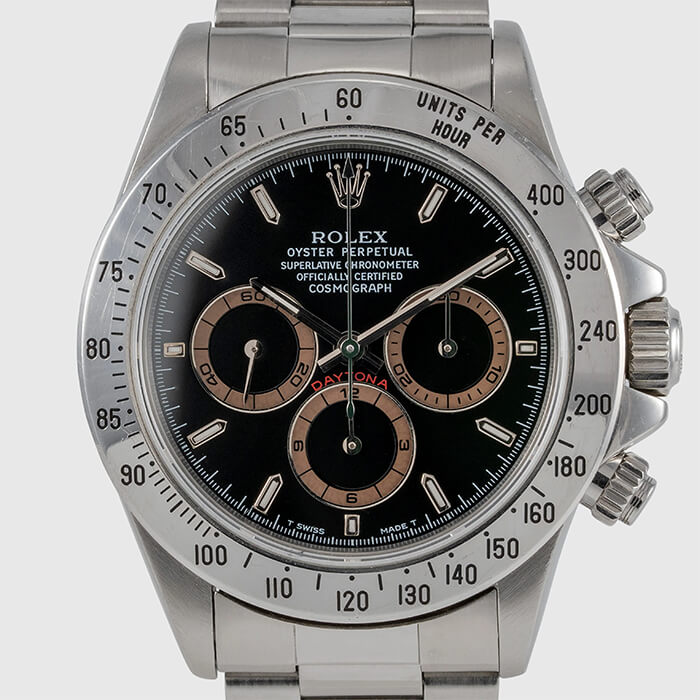
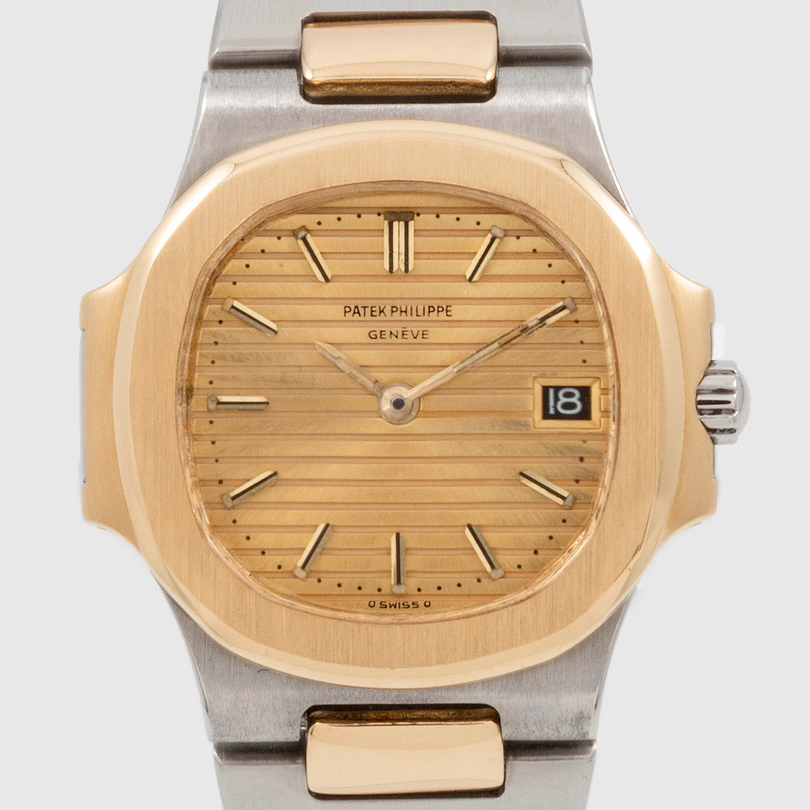
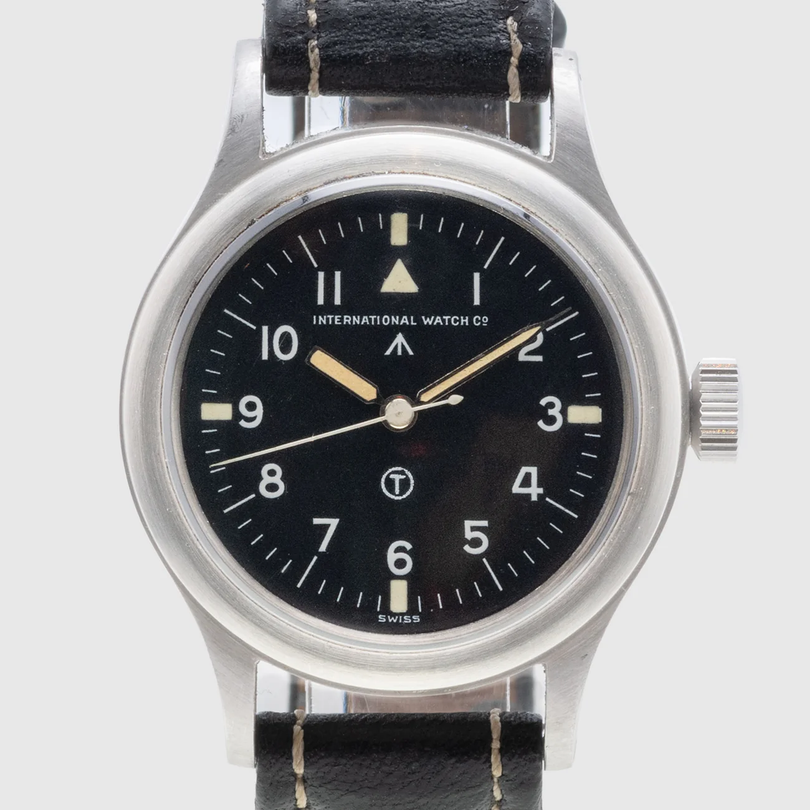
For a long period, the conversation around watch sizes seemed to revolve around growth. Larger cases, stronger wrist presence, more assertive proportions. The market responded accordingly.
Today, however, something more interesting is happening.
 Photograph: GQ, Cam Wolf
Collectors are rediscovering proportion.
Not as nostalgia, but as refinement.
 Photograph: Monaco Legend Auctions
And in many cases, the watches gaining renewed attention are not large at all.
A return to proportion
 Photograph: Monaco Legend Auctions
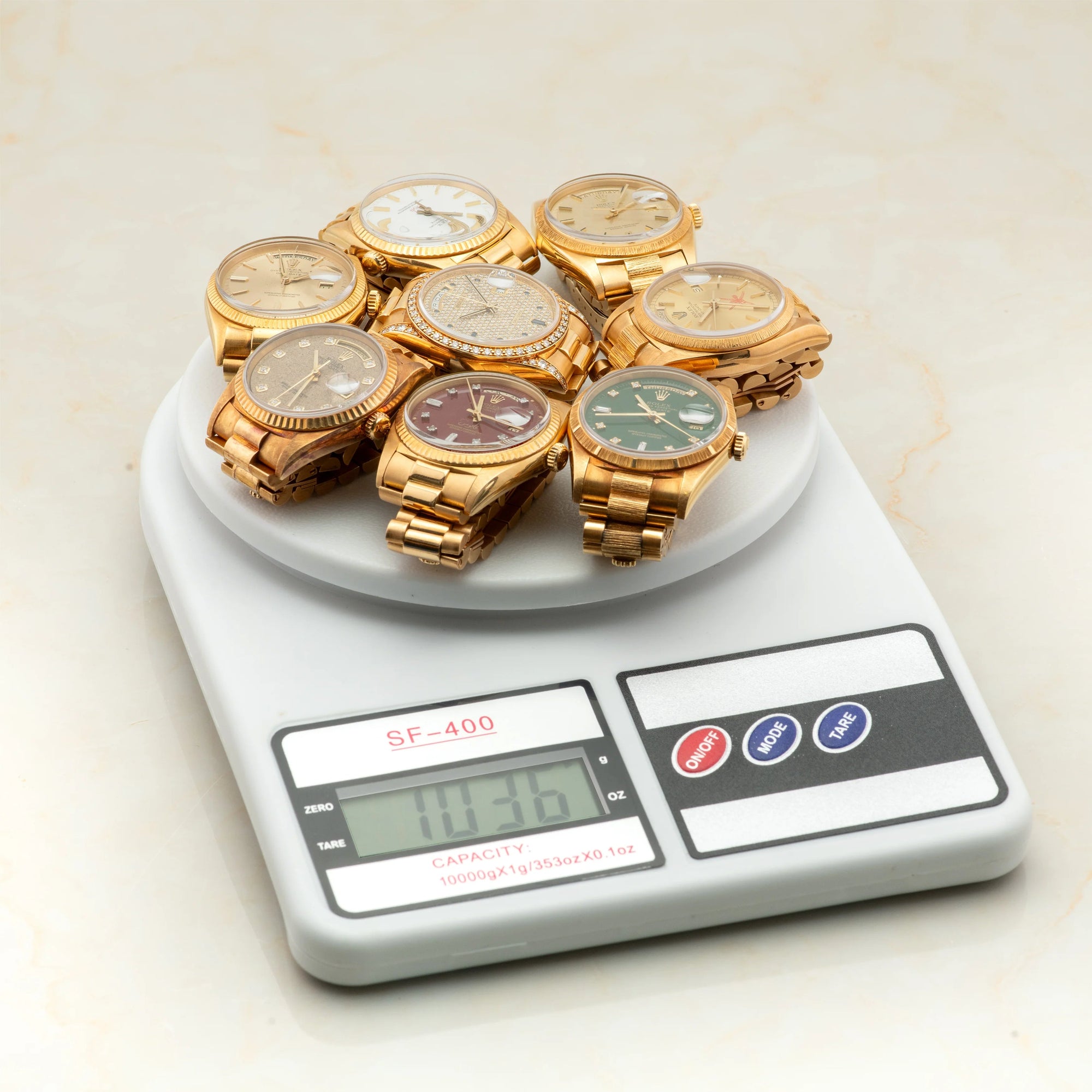
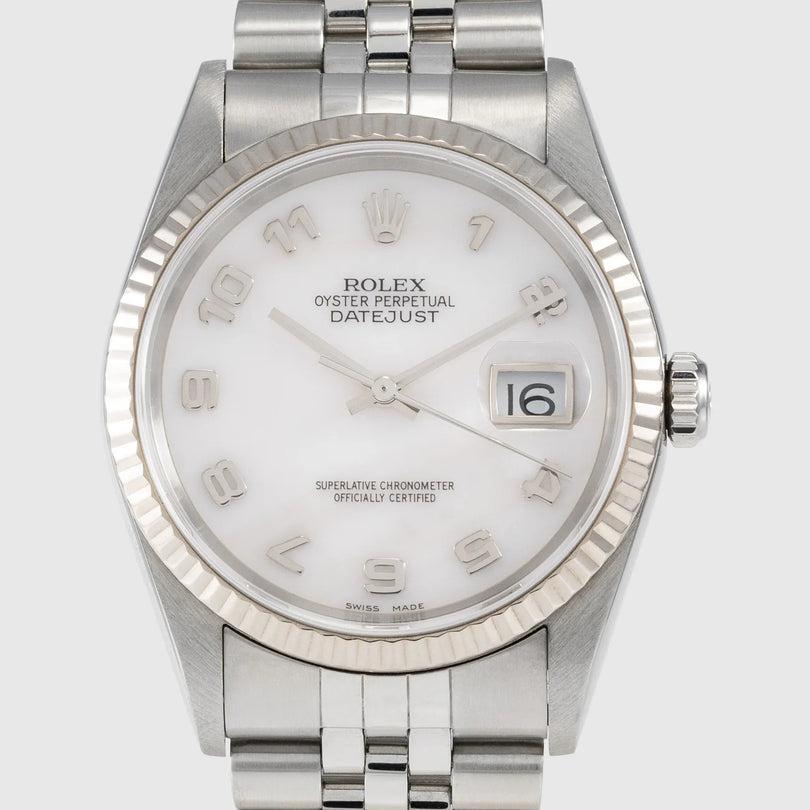
For most of the twentieth century, the standard size for a men’s wristwatch was modest by today’s metrics. A Rolex Bubbleback was 30 32mm, the Oyster Date was commonly 34mm. The Rolex Datejust and Day-Date were conceived at 36mm, and that dimension defined what a men’s watch was meant to be for decades.
 Even sport models were smaller than many assume today. Vintage Rolex Submariners and GMT-Masters were 40mm, but wore slimmer and more compact than their contemporary counterparts. Many chronographs and tool watches from the 1940s, 50s, and 60s sat between 34 and 38mm.
 Interestingly, when brands produced watches that were slightly larger for their time, such as certain 38mm or even 40mm references in the 1940s or 1950s, those pieces are now highly collectible precisely because they were unusual. Their size was ahead of their era.
What this shows is simple: proportion has always been contextual.
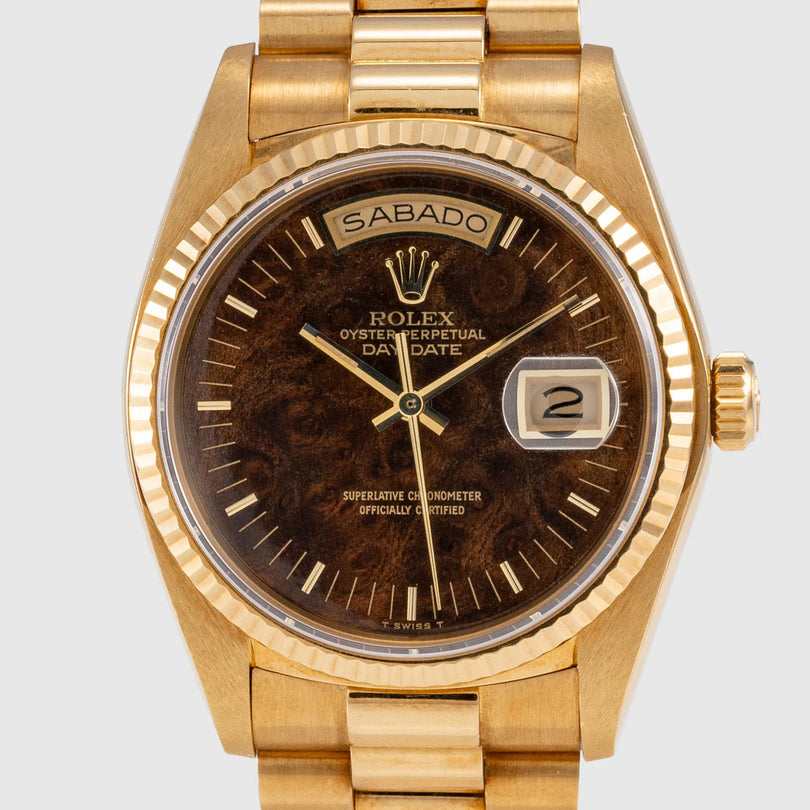
 The 36mm Datejust or Day-Date was conceived as the ideal men’s watch. Today, that same 36mm format is often preferred by collectors over the modern 41mm equivalents of the same references. The balance feels correct. The case sits naturally. The design reads as originally intended.

Photograph: @collection.personnelle
Size, in this sense, is not about measurement. It is about harmony.
Cartier and the strength of shape
When discussing smaller watches, few maisons illustrate the point better than Cartier.
 Photograph: Revolution Watch
A Tank in its classic dimensions, a Santos-Dumont, or a vintage Tortue or Tonneau was never designed to dominate the wrist. These watches rely on form rather than diameter. Rectangular, square, or curved tonneau cases create presence through geometry.
 Shaped watches often wear larger than their measurements suggest. A 27mm by 34mm Tank can have more visual impact than a larger round watch because the lines and case architecture carry the design.
For men today, wearing a traditionally sized Cartier in yellow or white gold is not unconventional. It reflects knowledge of proportion and history.
Rolex and the meaning of 36mm
Within the world of Rolex, the return to classic dimensions is particularly evident.
 The 36mm Datejust remains one of the most versatile watches ever produced. Vintage Day-Dates in 36mm, especially in yellow or pink gold with pie-pan dials or rare configurations, feel entirely contemporary.
 Collectors often gravitate toward these original proportions rather than the larger modern iterations. The 36mm case was designed with balance in mind. Lugs, bezel, dial spacing, and bracelet integration were all conceived around that dimension.
 Earlier sport references also reinforce this perspective. Vintage Submariners and GMT-Masters, though marked at 40mm, feel refined and compact compared to today’s standards. Their thinner profiles and restrained cases contribute to that perception.
 Photograph: Monochrome
In many ways, the market is re-embracing the sizes that defined the brand’s identity.
Patek Philippe, Vacheron Constantin, Audemars Piguet
The same holds true for the great classical houses.
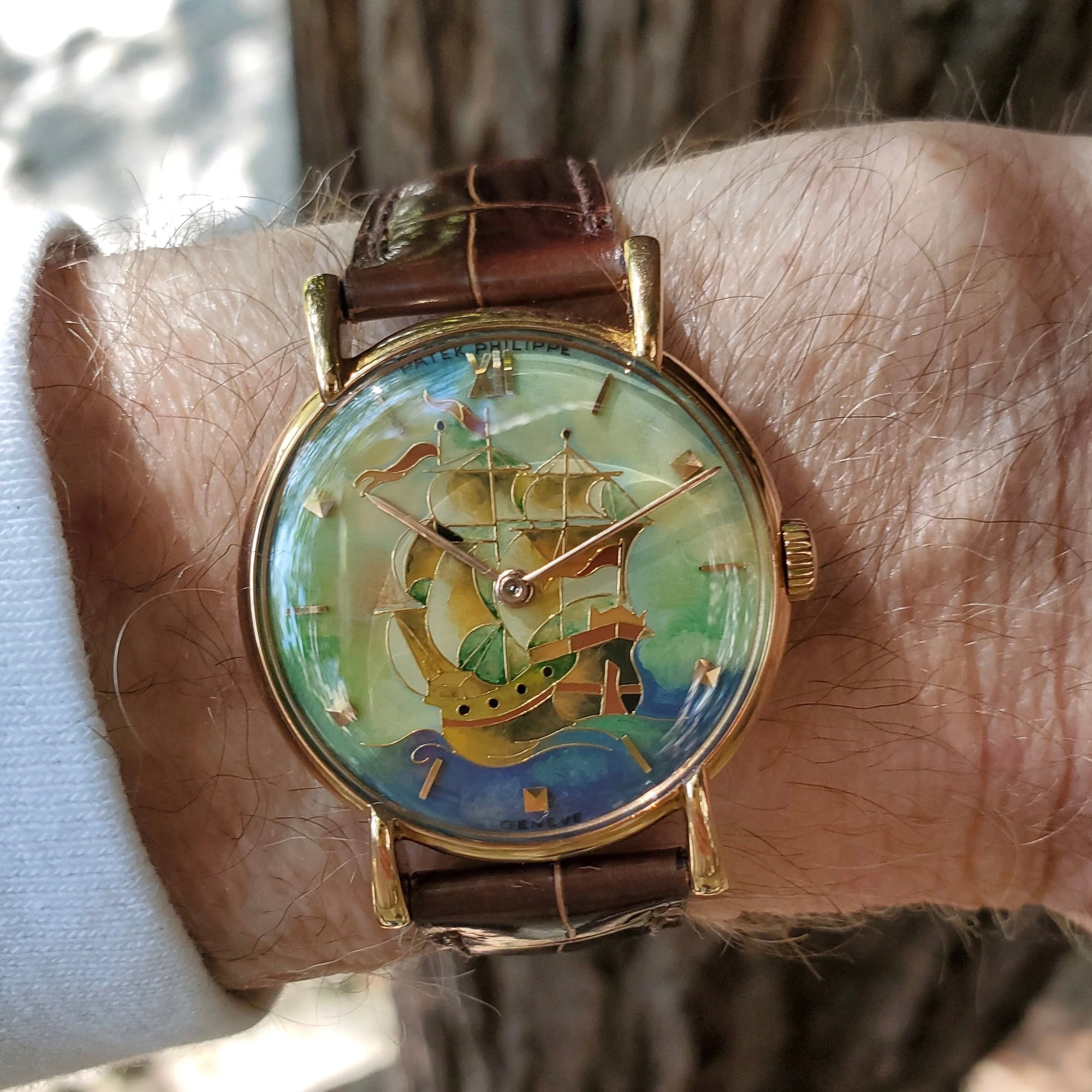
 A 34 or 35mm Calatrava from Patek Philippe was never considered small. It was considered correct. The purity of the dial, the thinness of the bezel, the elegance of the lugs all depend on those proportions.
 Photograph: Chrono24
Vintage ultra-thin references from Vacheron Constantin and Audemars Piguet often sit within similar dimensions. Their appeal lies in restraint. Slim gold cases, minimal dials, delicate markers.
 When worn today, these watches feel intentional rather than understated.
They were designed in an era when elegance mattered more than the diameter.
Piaget and the art of gold
If there is one brand that captures the renewed appreciation for smaller precious watches, it is Piaget.
Vintage Piaget integrated bracelet watches, often in yellow or white gold, frequently measure below what modern tastes once demanded. Yet their impact comes from execution.
 Stone dials in lapis lazuli, malachite, onyx or tiger’s eye. Diamond-set bezels. Textured gold bracelets that merge seamlessly with the case. These configurations were not mass produced. At the time, using hard stone dials or precious stones in this way was relatively uncommon, which makes surviving examples particularly desirable today.
 In smaller dimensions, these watches feel like jewellery for the wrist in the most refined sense. They are precious objects, not just watches.
Universal Genève and unusual proportions
Collectors who follow Universal Genève understand that size alone never defined importance.
 Photograph: Getty Images, Eric Wind; Collage: Gabe Conte
Many Compax and Tri-Compax chronographs were produced in modest case dimensions, yet their dial layouts, proportions, and historical significance make them deeply collectible.
 Photograph: Reddit
At the same time, certain larger examples from the 1940s, produced in 38mm or beyond, command significant premiums precisely because they were rare for their time.

Photograph: Ebay
This reinforces the central idea. It is not about being small or large. It is about being correct for the era and coherent in design.
A natural evolution
The renewed interest in smaller watches does not suggest that larger watches will disappear. It suggests that collectors are broadening their perspective.

Photograph: Café Noir Le montre
A well-built collection often includes variety. A sport reference, a precious metal dress watch, perhaps a shaped case, perhaps a stone dial.
 Photograph: Bonanno Roma, Paolo Gobbi
Within that diversity, smaller watches have regained relevance.